
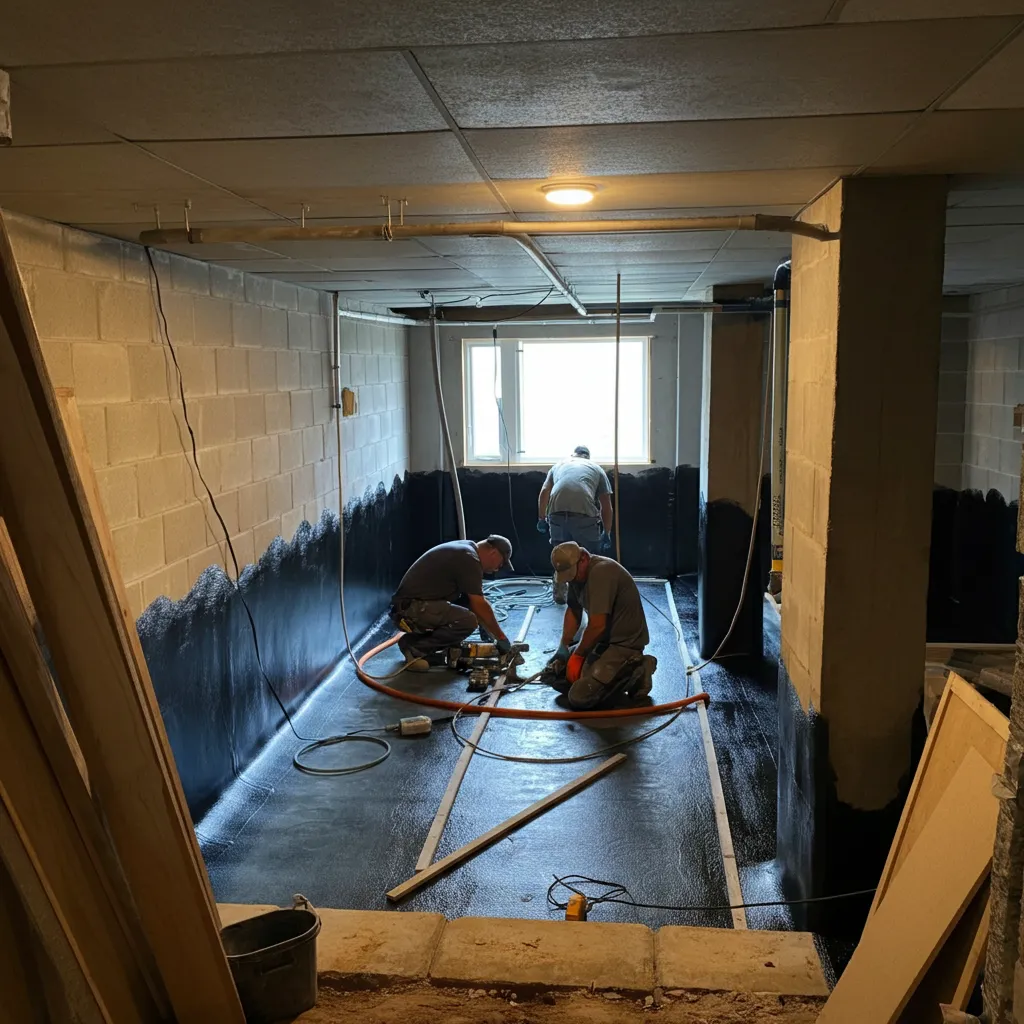
Selecting the right sump pump is crucial for homeowners looking to protect their basements from water damage. A sump pump is a device designed to remove water that has accumulated in a sump pit, typically found in the basement of homes. Understanding the various types of sump pumps, their installation processes, and maintenance requirements can help homeowners make informed decisions. This guide will explore the different types of sump pumps, how to choose the right one for your home, and the importance of professional installation and maintenance. Additionally, we will highlight the services offered by Dry Duck Basement Waterproofing, LLC, a trusted provider in Des Moines, Iowa, specializing in sump pump installation and maintenance.
Emphasizing the broader context of home protection, proper basement maintenance is crucial for preventing water ingress and ensuring structural longevity.
What Are the Different Types of Sump Pumps and Which Is Best for Your Basement?
There are several types of sump pumps available, each designed for specific applications and conditions. The most common types include submersible sump pumps, pedestal sump pumps, and battery backup sump pumps.
- Submersible Sump Pumps: These pumps are designed to be submerged in water, making them ideal for areas with high water levels. They are typically more powerful and quieter than other types.
- Pedestal Sump Pumps: These pumps are mounted above the sump pit and use a long shaft to reach the water. They are easier to maintain and are often less expensive than submersible pumps.
- Battery Backup Sump Pumps: These systems provide an additional layer of protection by ensuring that the sump pump continues to operate during power outages. They are essential for homes in areas prone to flooding.
For homeowners in Des Moines, understanding the local conditions, such as soil type and water table levels, is crucial in selecting the best sump pump for their needs. Dry Duck Basement Waterproofing, LLC offers free inspections and estimates to help homeowners diagnose basement moisture and select the right sump pump solution.
How Do Submersible and Pedestal Sump Pumps Compare?
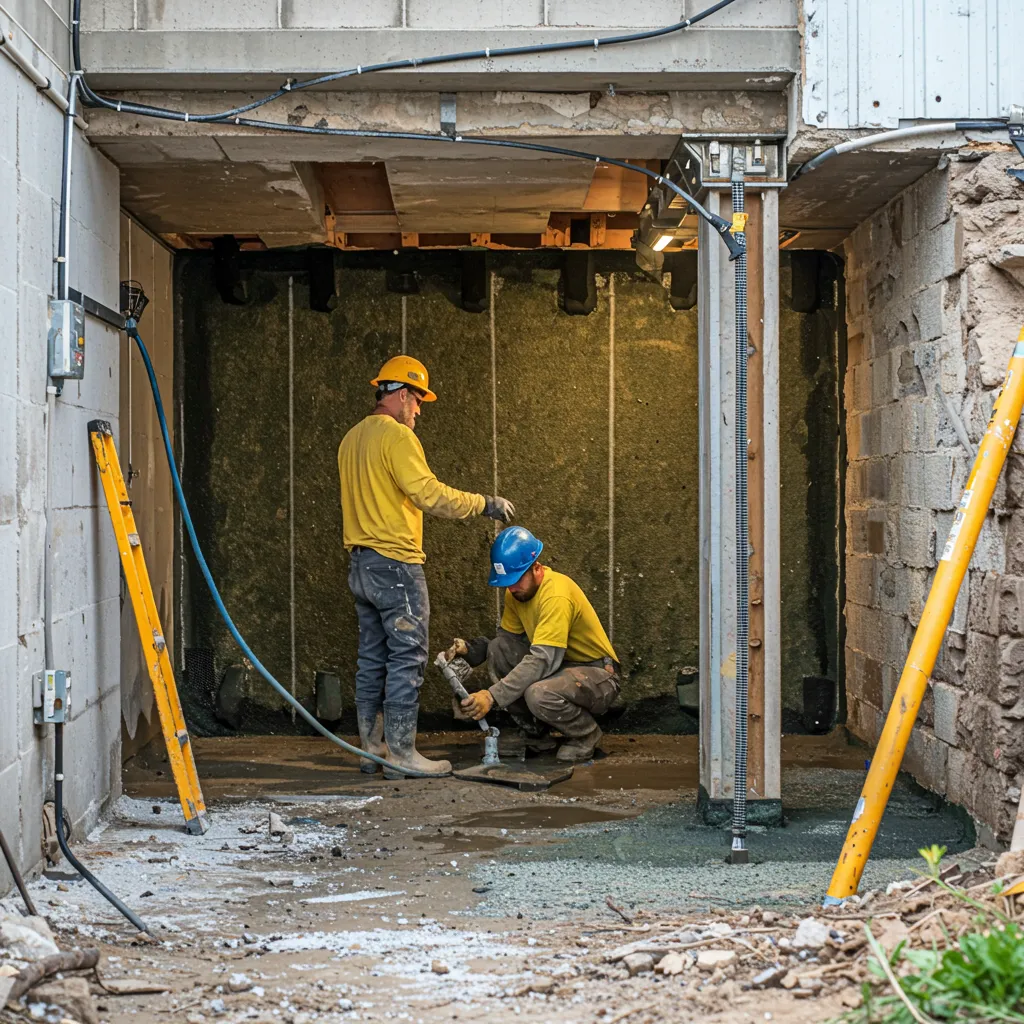
Submersible and pedestal sump pumps each have unique advantages and disadvantages.
- Design and Functionality: Submersible pumps are designed to operate underwater, which can make them more efficient in removing water. In contrast, pedestal pumps are easier to access for maintenance since they are above the water level.
- Noise Levels: Submersible pumps tend to be quieter because they are submerged, while pedestal pumps can be noisier due to their motor being above the water.
- Cost: Generally, pedestal pumps are less expensive to purchase and install, making them a budget-friendly option for many homeowners.
Understanding these differences can help homeowners choose the right pump based on their specific needs and budget.
What Are the Benefits of Battery Backup Sump Pumps?

Battery backup sump pumps provide several key benefits that enhance the reliability of basement waterproofing systems.
- Continuous Operation: They ensure that the sump pump continues to function during power outages, which is critical during heavy rainstorms or flooding.
- Peace of Mind: Homeowners can feel secure knowing that their basements are protected even when the main power supply is interrupted.
- Increased Lifespan: By providing an additional layer of protection, battery backup systems can help prolong the life of the primary sump pump.
Investing in a battery backup sump pump is a wise decision for homeowners looking to safeguard their properties against water damage.
How Do You Determine the Right Sump Pump Size and Capacity for Your Home?
Choosing the right size and capacity for a sump pump is essential for effective water removal. The size of the pump is determined by the volume of water it can handle, typically measured in gallons per hour (GPH).
Factors to consider when determining the right size include:
- Basement Size: Larger basements may require pumps with higher GPH ratings to manage water effectively.
- Water Table Levels: Homes in areas with high water tables may need more powerful pumps to keep up with water accumulation.
- Frequency of Water Intrusion: Homes that experience frequent flooding will benefit from pumps with higher capacities.
To assist homeowners in Des Moines, Dry Duck Basement Waterproofing, LLC provides expert guidance on selecting the appropriate sump pump size based on individual home conditions.
What Factors Affect Sump Pump Capacity Requirements?
Several factors influence the capacity requirements of a sump pump, including:
- Soil Type: Different soil types absorb water at varying rates, affecting how quickly water accumulates in the sump pit.
- Home Size and Layout: The overall size and layout of the home can impact how much water needs to be removed.
- Frequency of Water Intrusion: Homes that experience regular flooding will require pumps with higher capacities to manage the influx of water effectively.
Understanding these factors can help homeowners make informed decisions about their sump pump needs.
How to Calculate the Appropriate Pump Size for Des Moines Basements?
Calculating the appropriate pump size involves a few key steps:
- Measure the Sump Pit: Determine the dimensions of the sump pit to understand the volume of water it can hold.
- Assess Water Accumulation: Monitor how quickly water accumulates in the pit during heavy rain or flooding.
- Calculate GPH Needs: Use the measurements to calculate the gallons per hour (GPH) needed to keep the basement dry.
By following these steps, homeowners can ensure they select a sump pump that meets their specific needs.
What Is the Typical Installation Process and Cost for a Sump Pump?
The installation process for a sump pump typically involves several key steps:
- Site Preparation: The area where the sump pump will be installed is cleared and prepared.
- Sump Pit Installation: A sump pit is dug, and the pump is placed inside.
- Plumbing Connections: The pump is connected to the discharge pipe, which directs water away from the home.
- Electrical Connections: The pump is connected to a power source, ensuring it operates effectively.
The cost of sump pump installation can vary based on factors such as the type of pump, the complexity of the installation, and local labor rates. Homeowners in Des Moines can expect to receive a detailed estimate from Dry Duck Basement Waterproofing, LLC during their free inspection.
What Steps Are Involved in Professional Sump Pump Installation?
Professional sump pump installation typically includes:
- Assessment of the Site: Evaluating the basement for moisture issues and determining the best location for the sump pump.
- Installation of the Sump Pit: Digging and preparing the sump pit to ensure proper drainage.
- Connecting the Pump: Installing the sump pump and connecting it to the discharge system.
- Testing the System: Ensuring the pump operates correctly and efficiently.
These steps ensure that the sump pump is installed correctly and functions as intended.
What Are the Cost Factors for Sump Pump Installation in Des Moines?
Several factors can influence the cost of sump pump installation, including:
- Type of Pump: Submersible pumps may be more expensive than pedestal pumps.
- Installation Complexity: More complex installations may require additional labor and materials.
- Local Labor Rates: Costs can vary based on the local market and the expertise of the installation team.
Homeowners should consult with professionals like Dry Duck Basement Waterproofing, LLC to get accurate estimates tailored to their specific needs.
How Should You Maintain and Troubleshoot Your Sump Pump for Long-Term Protection?
Regular maintenance is essential for ensuring the longevity and effectiveness of a sump pump. Homeowners should perform the following tasks:
- Inspect the Pump: Regularly check the pump for any signs of wear or damage.
- Test the System: Run the pump periodically to ensure it operates correctly.
- Clean the Sump Pit: Remove any debris or sediment that may accumulate in the sump pit.
By following these maintenance tips, homeowners can prevent potential issues and ensure their sump pump operates efficiently.
What Are Essential Sump Pump Maintenance Tips?
- Regular Inspections: Check the pump and discharge pipe for any blockages or damage.
- Battery Backup Testing: If using a battery backup system, test the battery regularly to ensure it is functioning.
- Professional Servicing: Schedule professional maintenance at least once a year to address any potential issues.
These maintenance practices can help extend the life of the sump pump and protect the home from water damage.
Beyond routine checks, advanced monitoring systems can further enhance sump pump maintenance, offering insights into their operational health.
How Can You Identify and Fix Common Sump Pump Problems?
Common sump pump problems can often be identified through regular inspections. Homeowners should look for:
- Unusual Noises: Grinding or rattling sounds may indicate mechanical issues.
- Frequent Cycling: If the pump turns on and off frequently, it may be a sign of a malfunction.
- Water Accumulation: If water is pooling around the sump pit, the pump may not be functioning correctly.
Addressing these issues promptly can prevent more significant problems down the line. Homeowners should consult with professionals like Dry Duck Basement Waterproofing, LLC for assistance with troubleshooting and repairs.
| Pump Type | Capacity (GPH) | Best Use Case |
|---|---|---|
| Submersible | 1,500-3,000 | High water levels |
| Pedestal | 1,000-2,500 | Budget-friendly option |
| Battery Backup | Varies | Power outages |